Photography: In-class Exercises
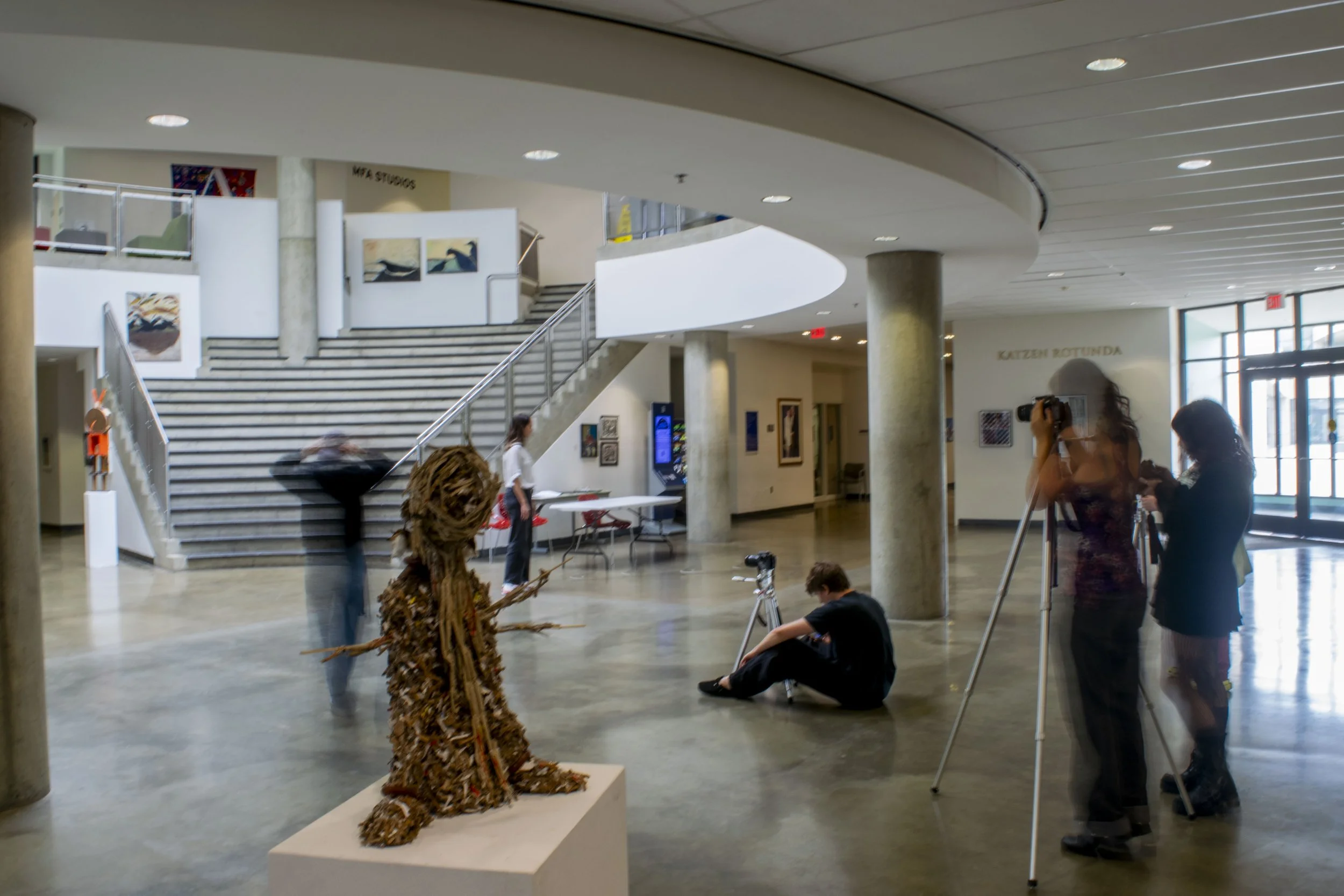
Fozzy Saccoh (American University, Shutter Speed Exercise, Fall 2025
Shutter Speed Exercises
Shutter speed not only controls exposure but also motion, the passage of time, as well as energy of a moment in an image. By maximizing the use of our camera’s shutter speed, we can capture incredibly precise moments or capture motion blur through a slower shutter speed. Every photograph is a slice of time whether a wide slide or a narrow slice and the use of different shutter speeds will create visual statements for that section of time you choose.
Objectives:
This exercise is meant to develop your ability to manipulate and use fast or slow shutter speeds to capture images that speak of a specific concept: time, motion, and energy. Creatively respond to the three exercises below. (Don't forget to shoot with 1) the correct exposure, 2) the correct White Balance, and 3) in-focus shots.)
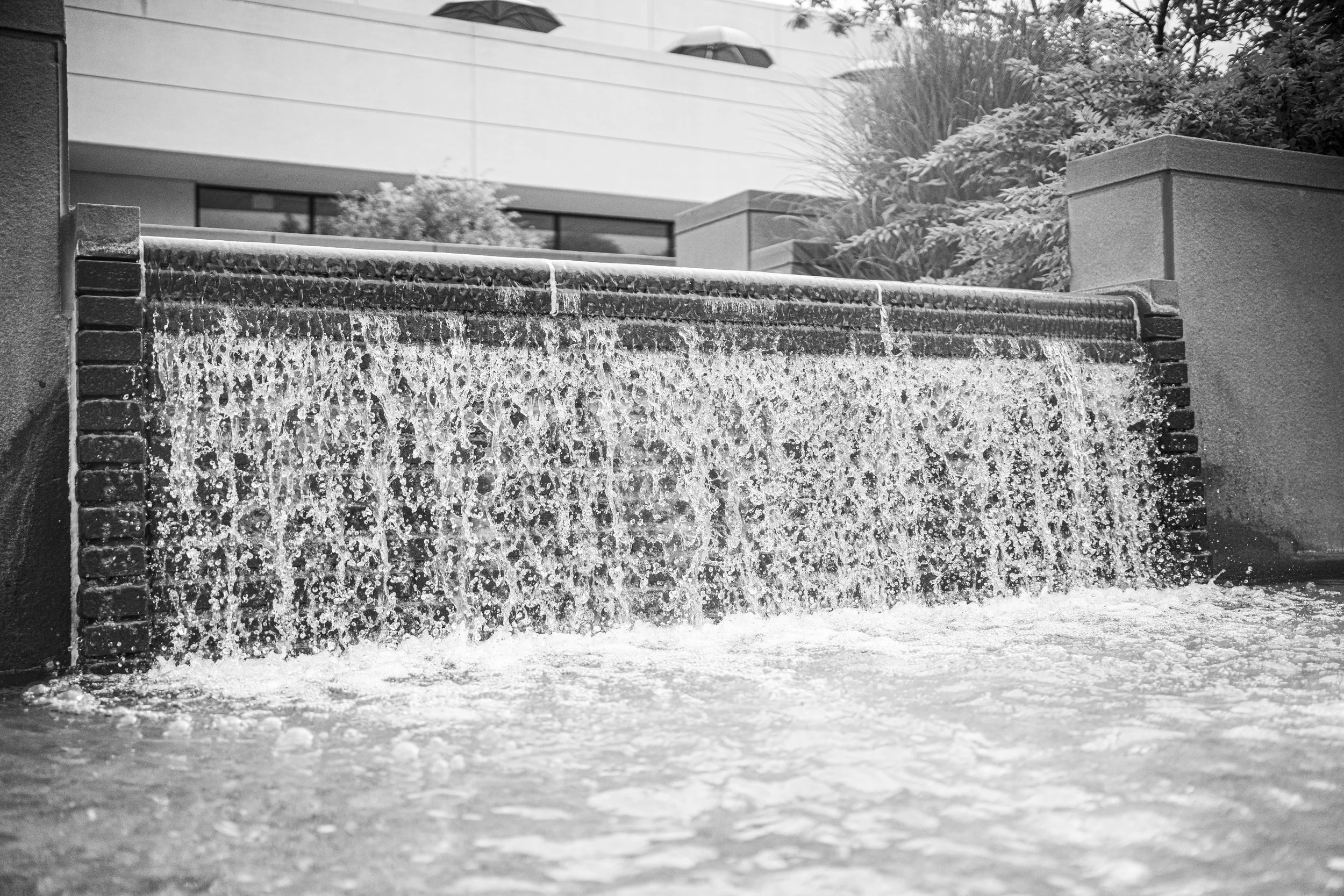
Submit 4 pictures which show Frozen Moments with a fast shutter speed. (1/250 or greater.)
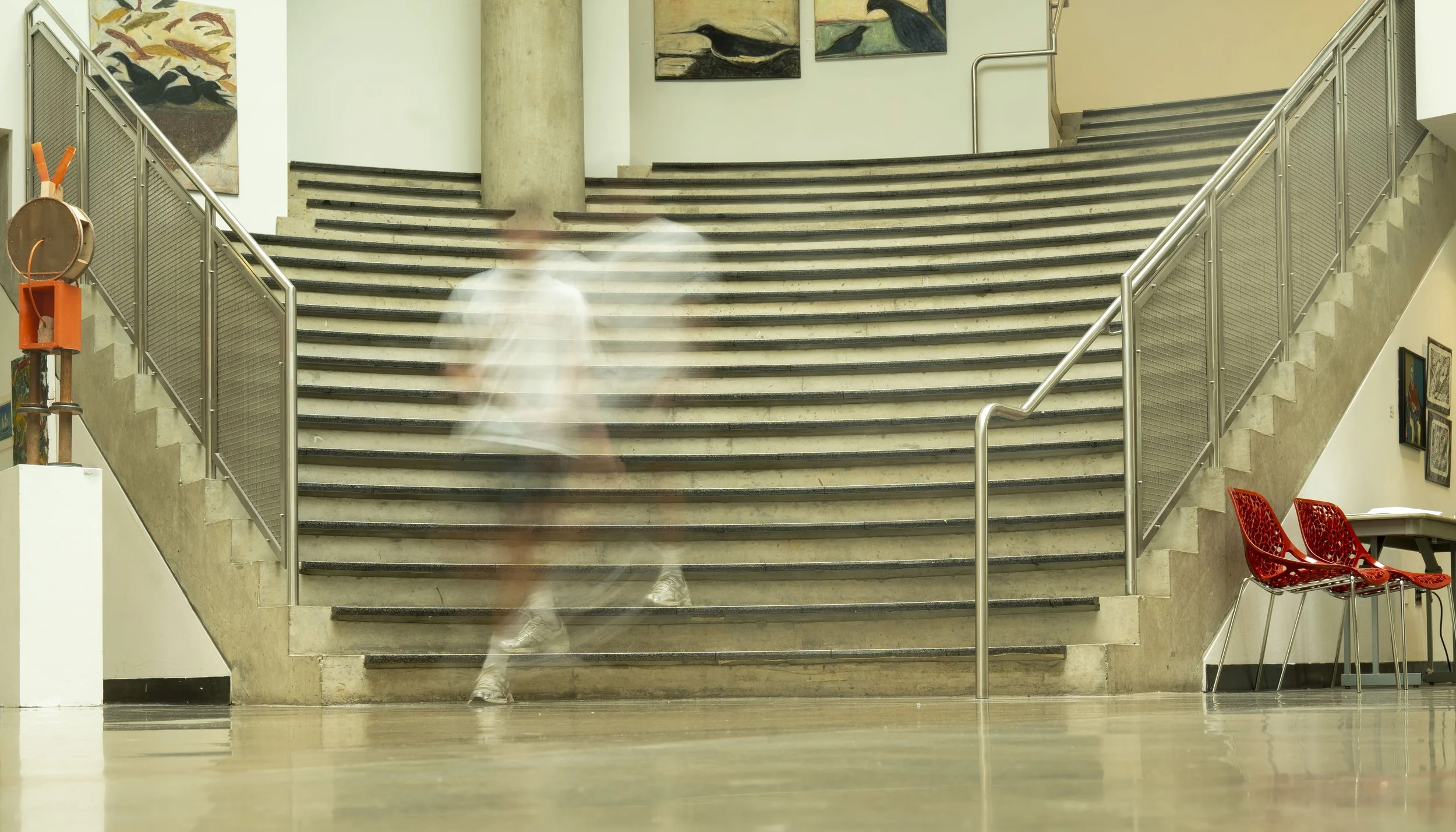
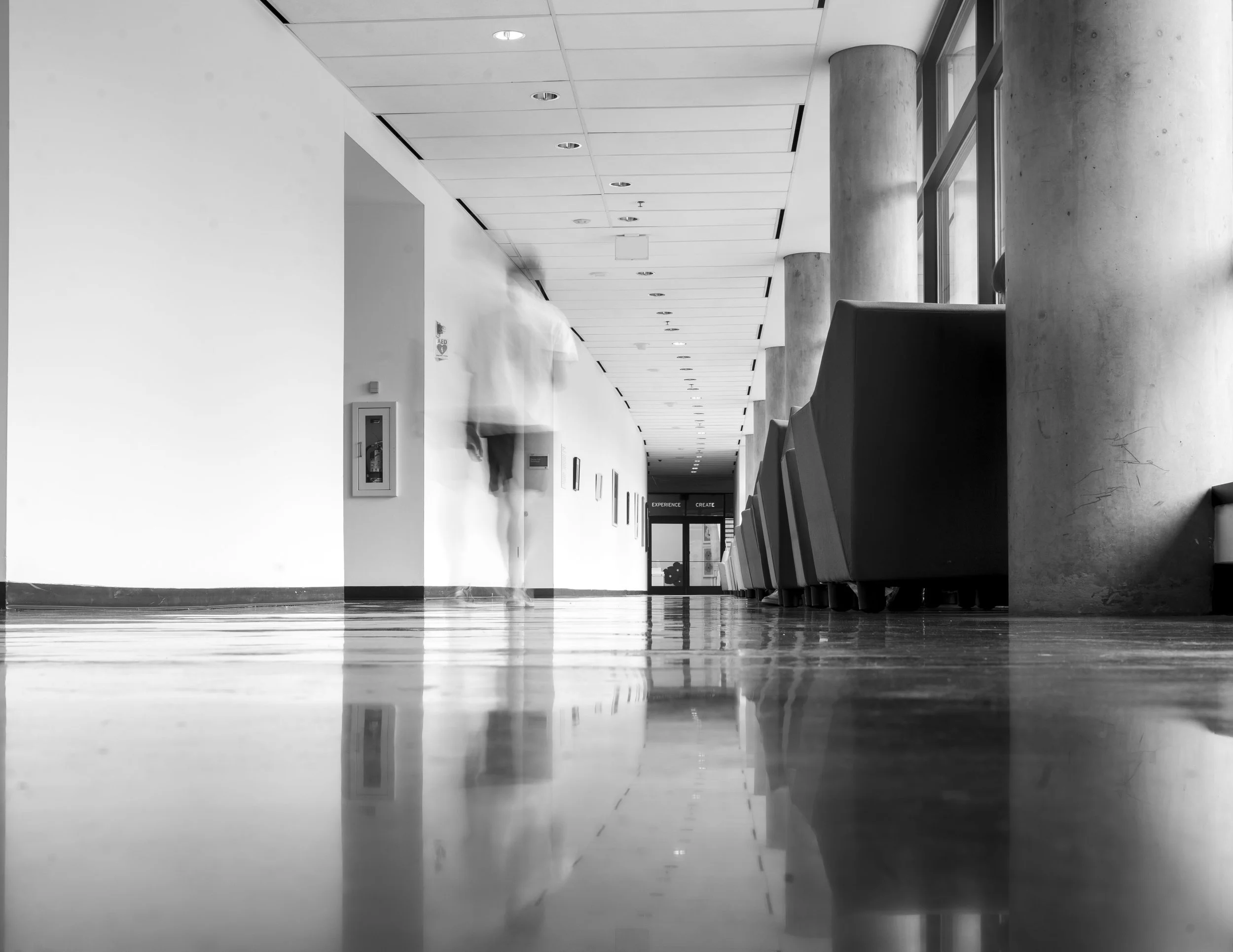
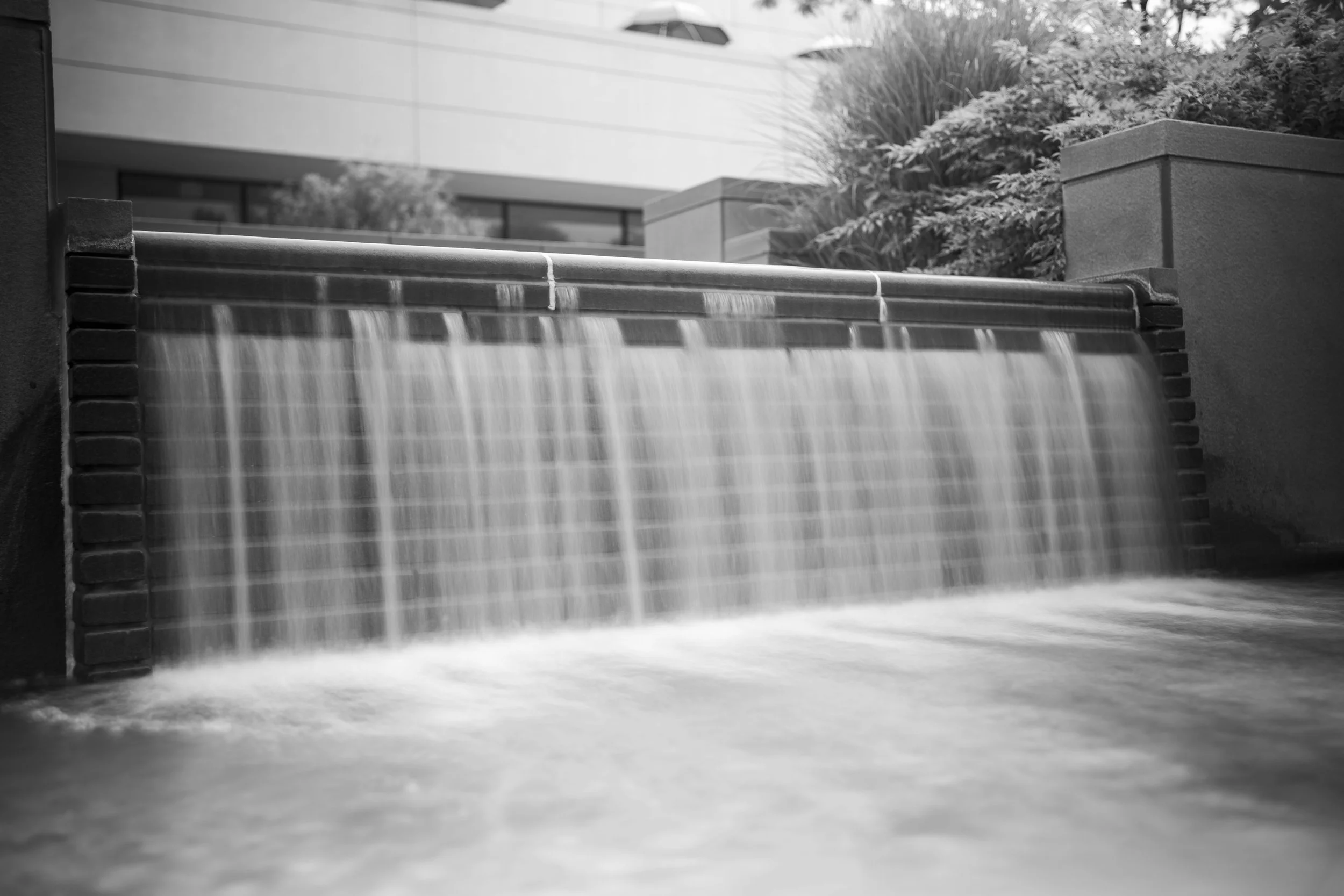
The subject is moving, and you want a picture freezing this motion without any blur. The camera is held steady!Submit 4 pictures that show Floating Moments / Motion Blur with a slow shutter speed. (Less than 1/15)
The subject is moving, but this time a sense of the motion is desired. Remember, too slow, and camera shakes will cause blur, and the subject’s background will also be blurred.Take our pictures with Panning technique:
The subject is moving in front of the camera, and you want to create the illusion that the background is just a motion blur because the subject is moving so fast. Set a slow shutter speed anything between 1/15 and 1/125, and follow the subject with the camera while releasing the shutter.
Submission: Go out and shoot a minimum of 12 unique images that responses the challenges above. Consciously choose the shutter speed for a specific effect. Be sure to pay attention to your compositions, while I do want you to experiment with the shutter speed. Edit in Adobe Camera Raw, then convert to a jpeg file. Post the google photo link here.

Fozzy Soccah (American University, Fall 2025)
Fozzy Soccah (American University, Fall 2025)
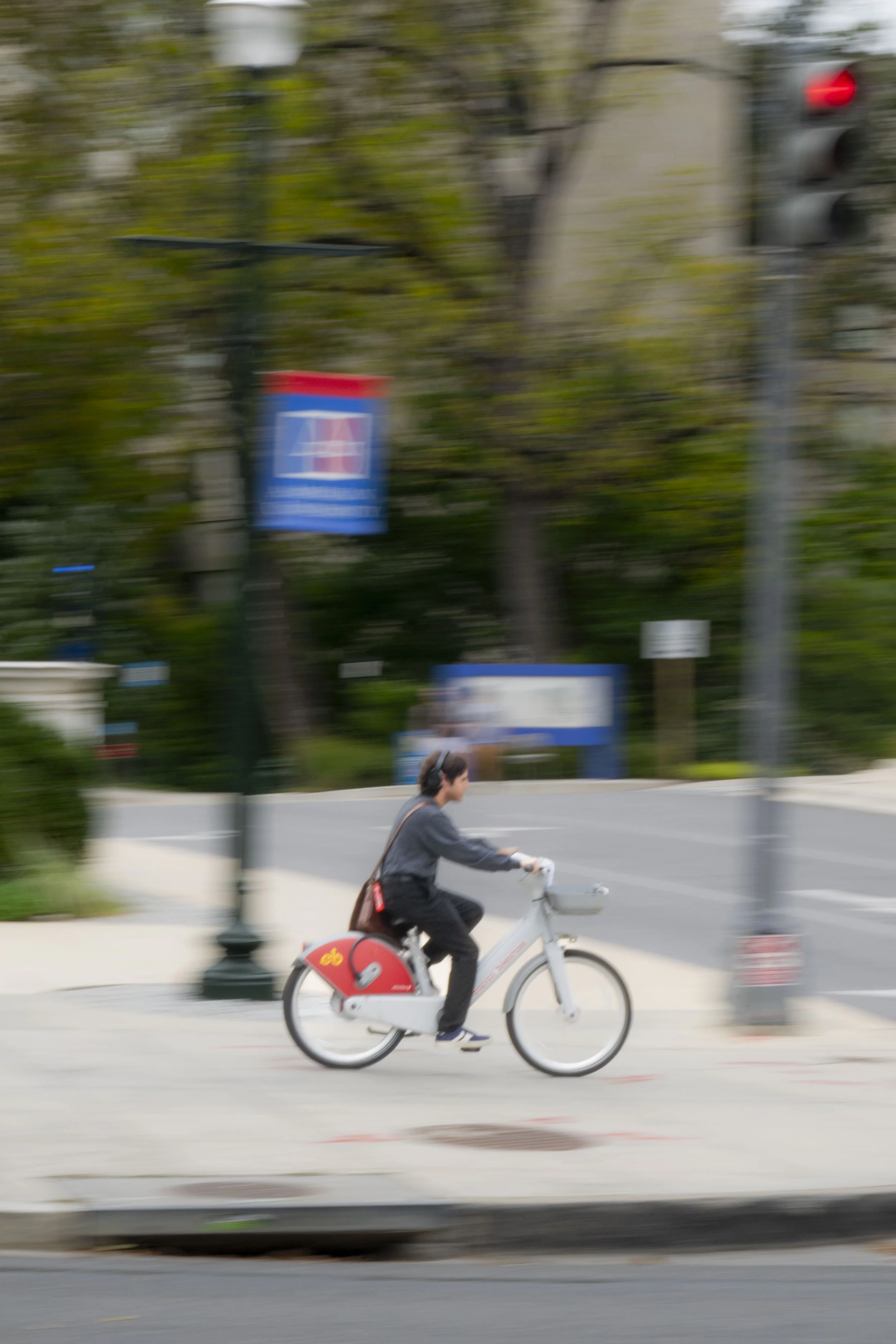
Fozzy Soccah (American University, Fall 2025)

Fozzy Soccah (American University, Fall 2025)
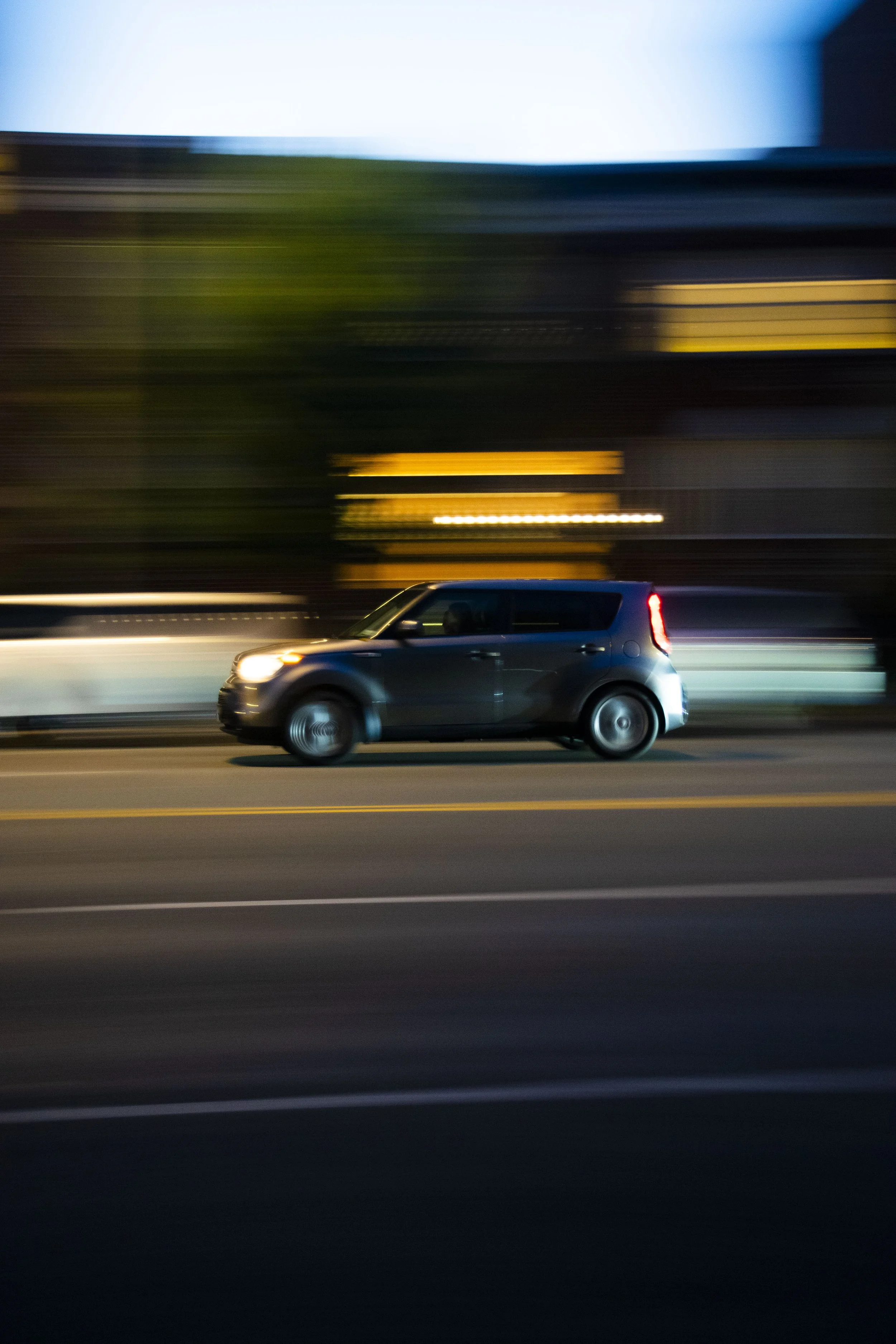
Fozzy Soccah (American University, Fall 2025)
Grayson Rupp (American University, Fall 2025)
Grayson Rupp (American University, Fall 2025)
Grayson Rupp (American University, Fall 2025)
Grayson Rupp (American University, Fall 2025)
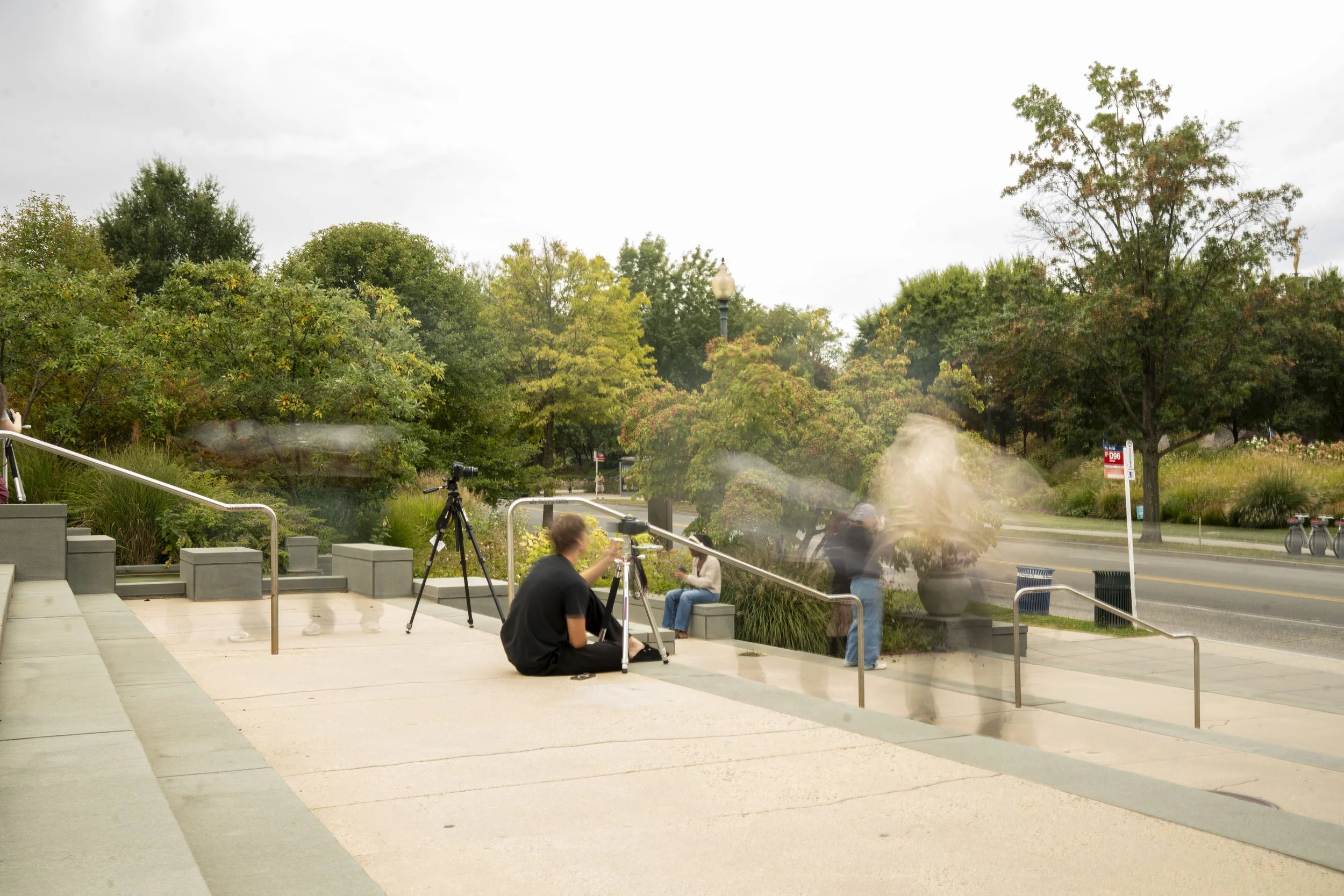
Grayson Rupp (American University, Fall 2025)
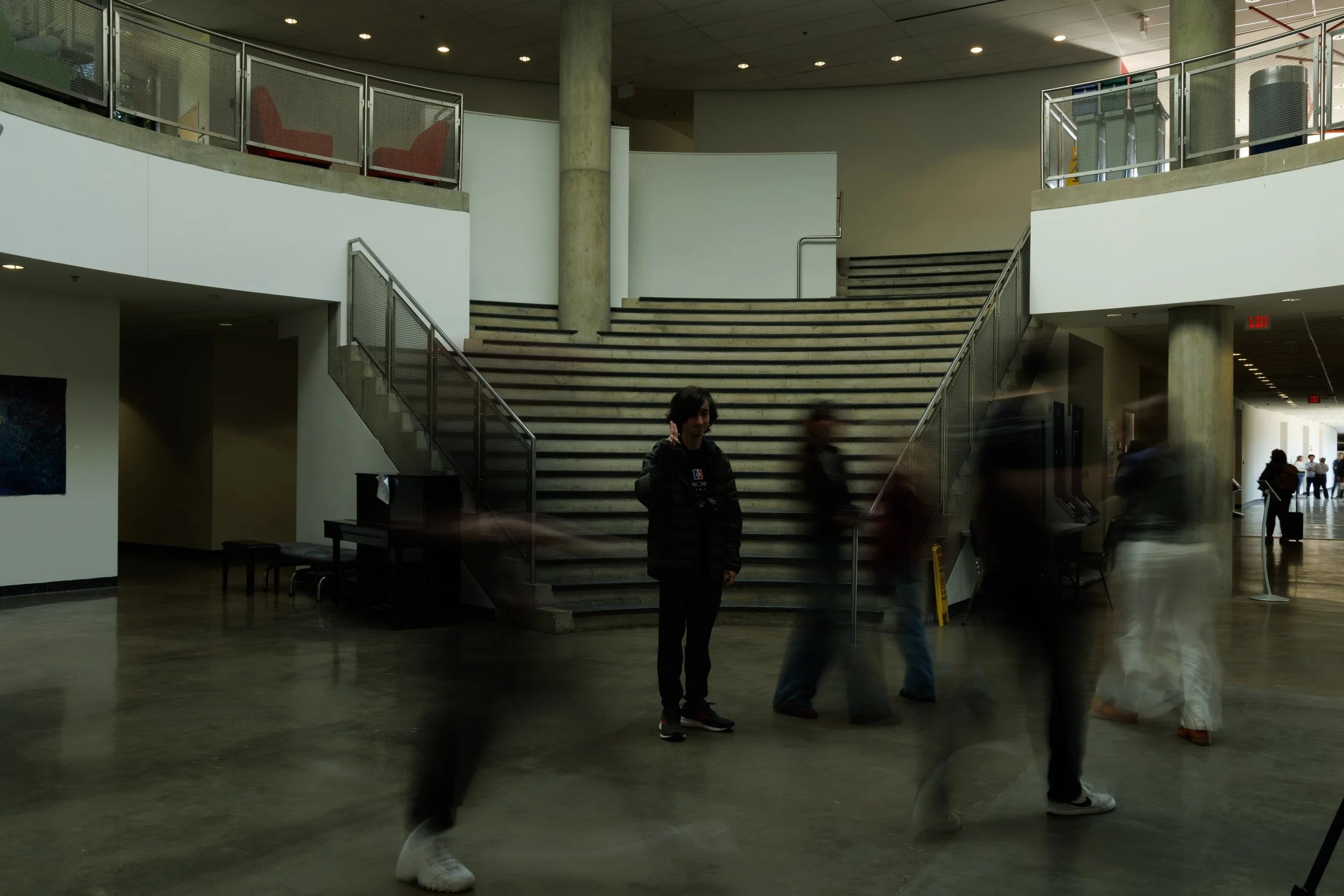
Matheus Kogi Fugita Abrahao (American University, Fall 2025)
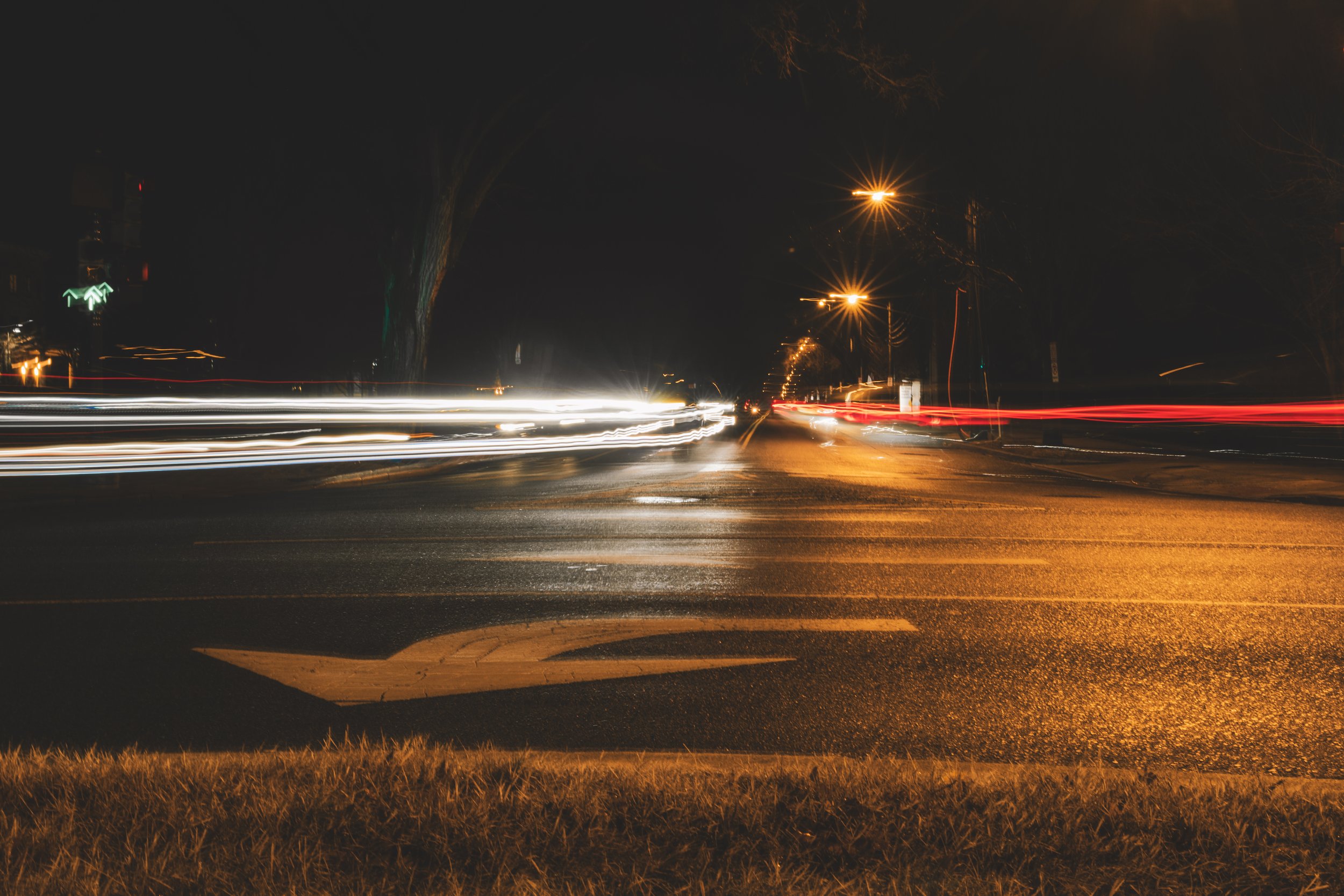
Matheus Kogi Fugita Abrahao (American University, Fall 2025)
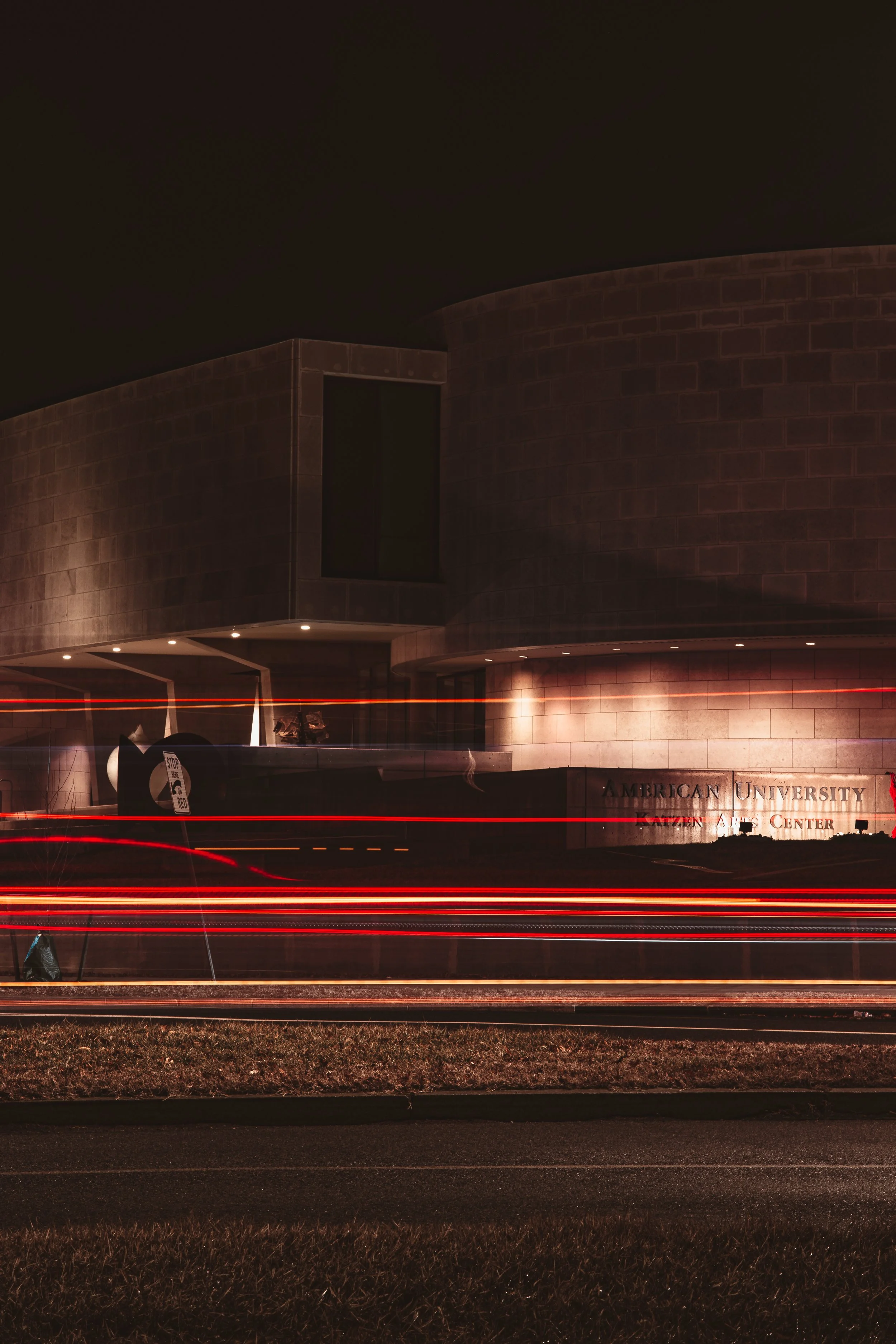
Matheus Kogi Fugita Abrahao (American University, Fall 2025)
Cutting-Edge Composition
“If I saw something in my viewfinder that looked familiar to me, I would do something to shake it up.”
-Garry Winogrand
Description:
This week we introduced the concepts of Framing, Perspective, Point of View/Vantage Point, and Composition. For this first project, I want you to focus on taking your time with a limited number of subjects and taking more considered shots. This exercise is meant to train your eye and remove you from the impulse to shoot at 1) eye level, 2) mid-distance, and 3) head-on/dead-center composition every time. You’re going to move around your choice of subject and explore it from different angles, and distances, and find interesting ways to use your surroundings as a framing or compositional tool.
My suggestion to you would be to take the first shot of your subject as you would normally and impulsively - take your first photo the way your gut tells you to. Then take a moment to analyze your photo in playback mode and ask yourself what could make this more interesting or impactful.
Objective:
Shoot a minimum of 20 properly exposed shots* of 3-5 subjects. You must dedicate a minimum of 4 shots to a single subject and demonstrate that you are exploring what you learned about framing, composing, and moving your camera around a subject in order to make more intentional decisions. *(Don't forget to shoot with 1) the correct exposure, 2) the correct White Balance and 3) in-focus shots.)
Experiment with: Cutting Edge Framing, Useful Background, Eye-Opening Point of View /Vantage Point, and Playful Composition Tools: Leading lines, Patterns, Foreground/mid-ground/background etc...
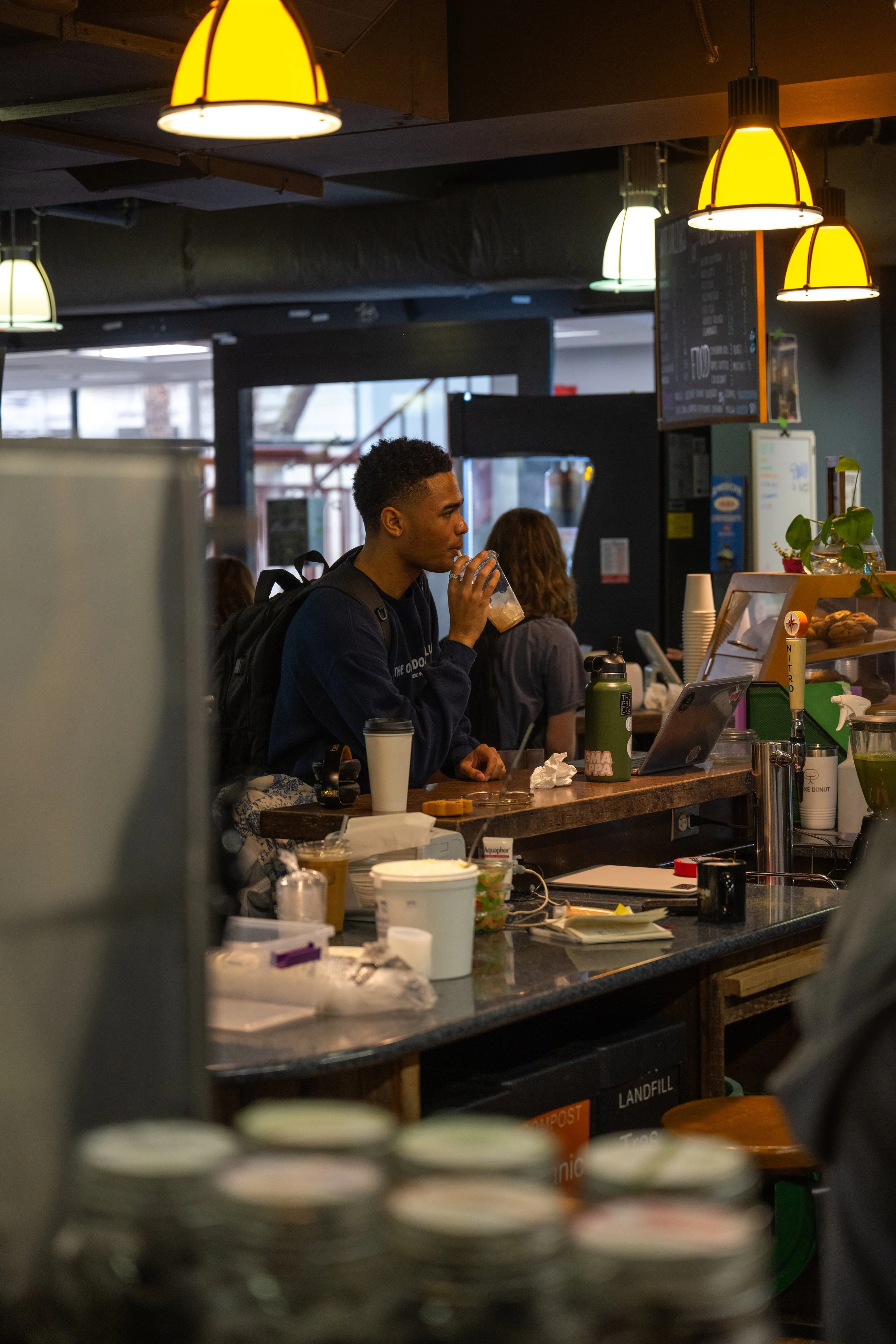
Robert McClammy, American University (Spring 2024)
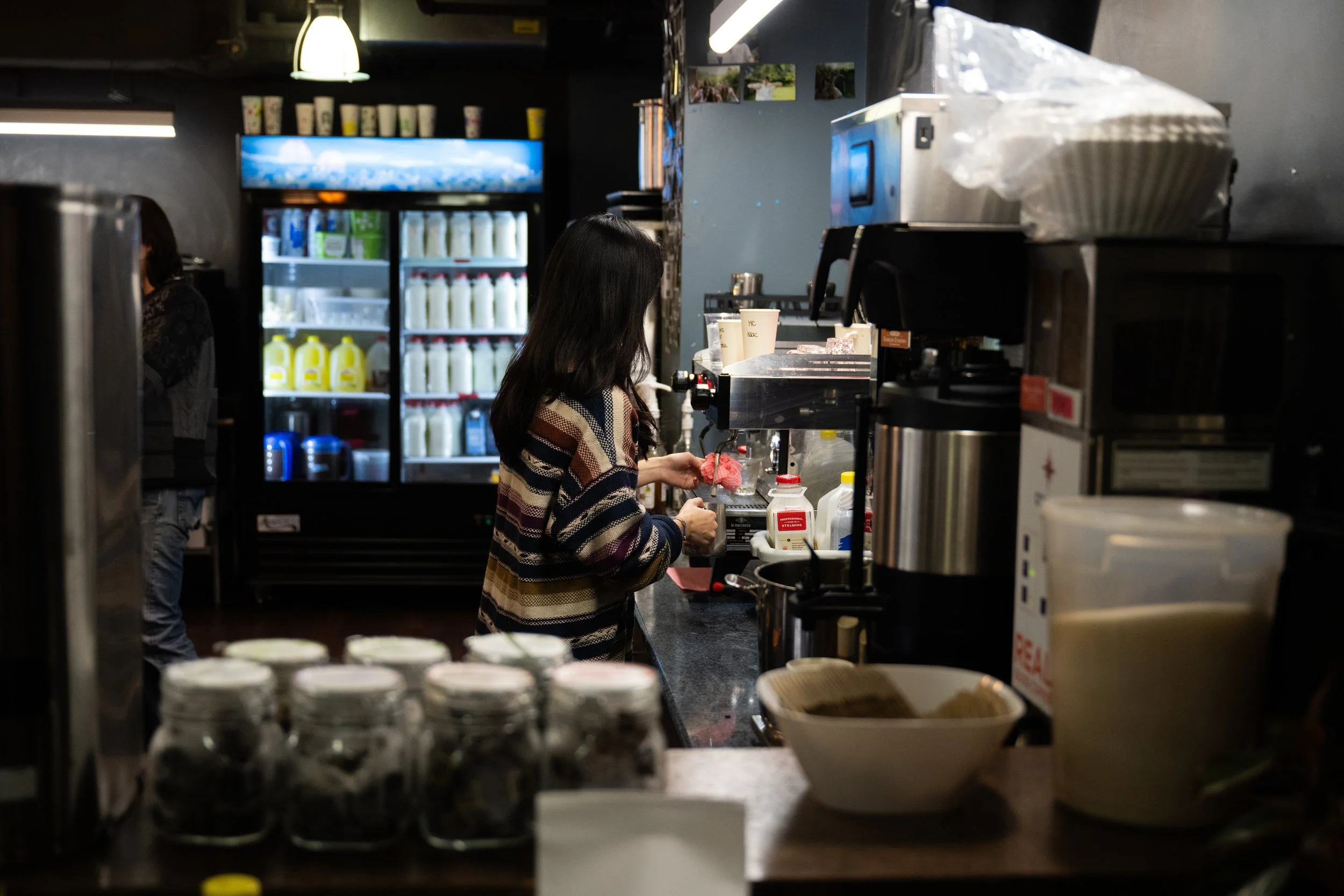
Robert McClammy, American University (Spring 2024)
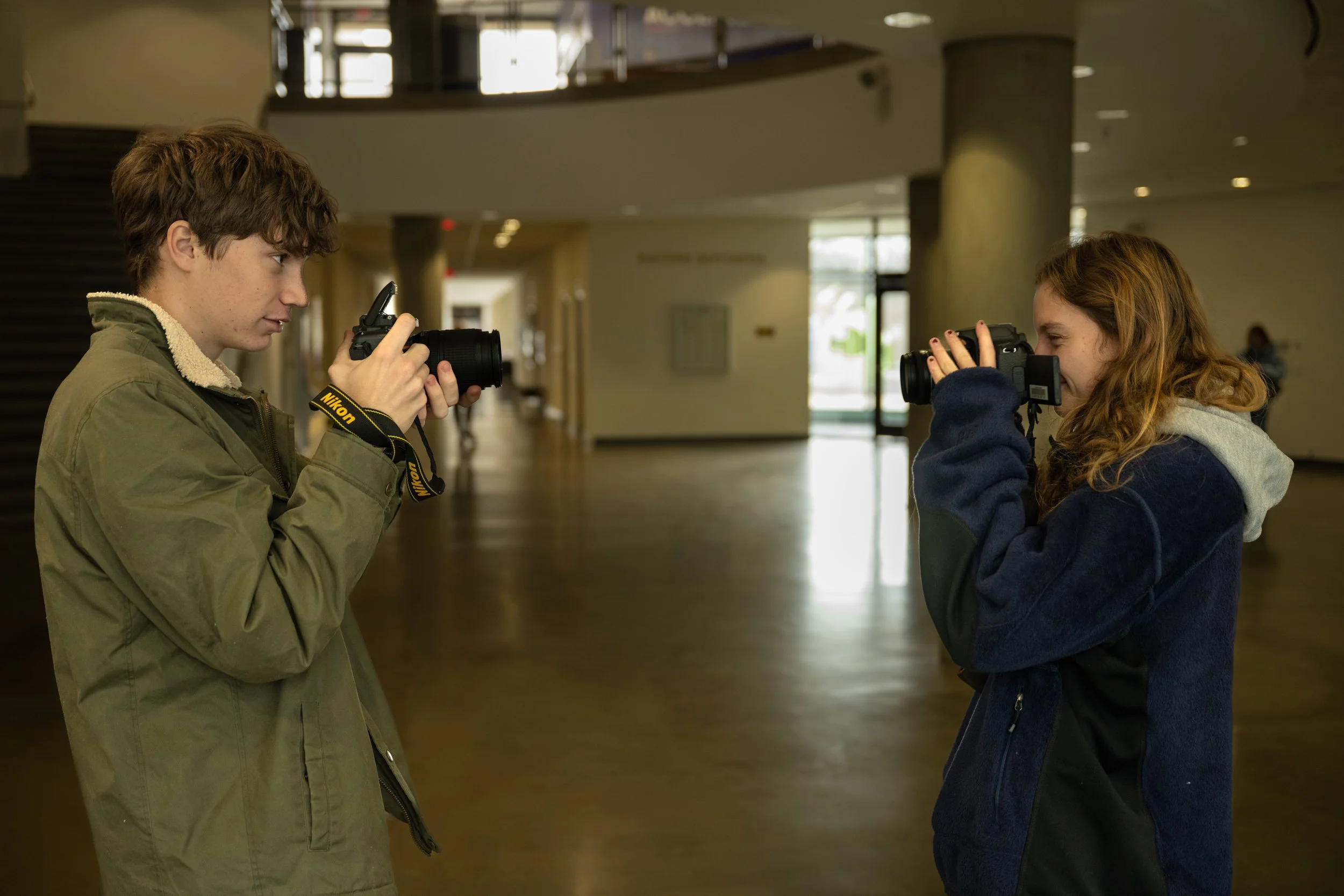
Robert McClammy, American University (Spring 2024)
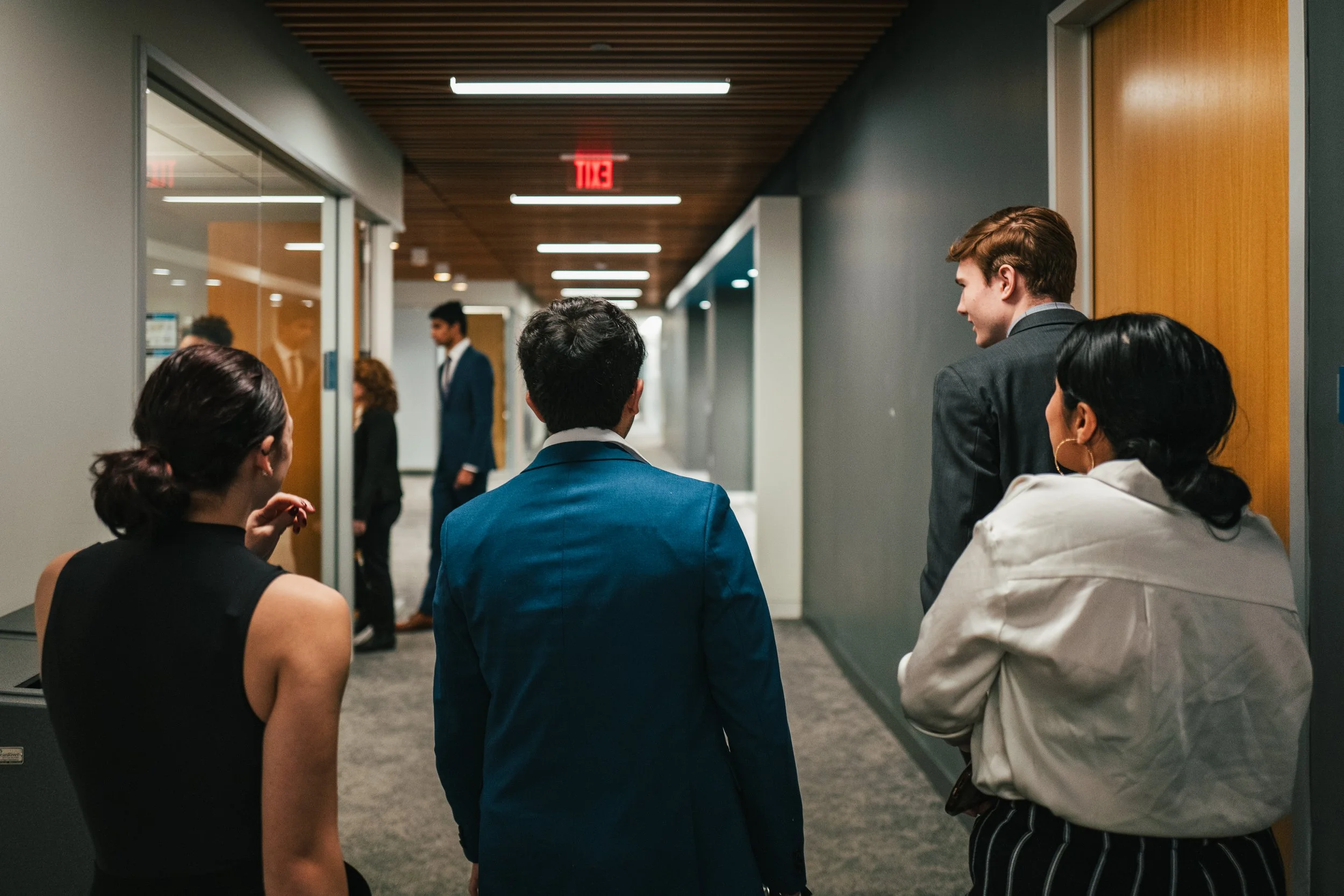
Jack Dickinson, American University (Spring 2024)
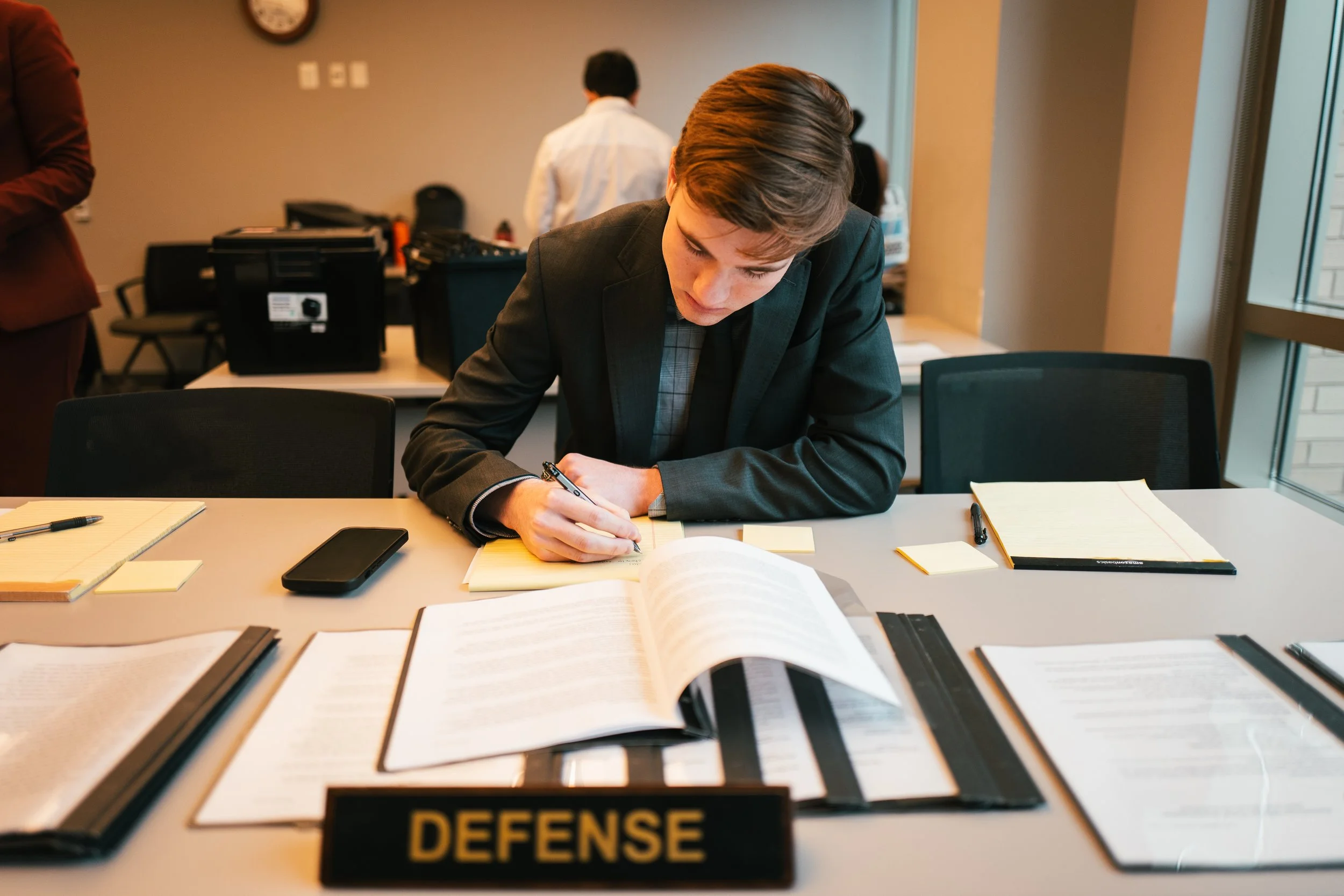
Jack Dickinson, American University (Spring 2024)
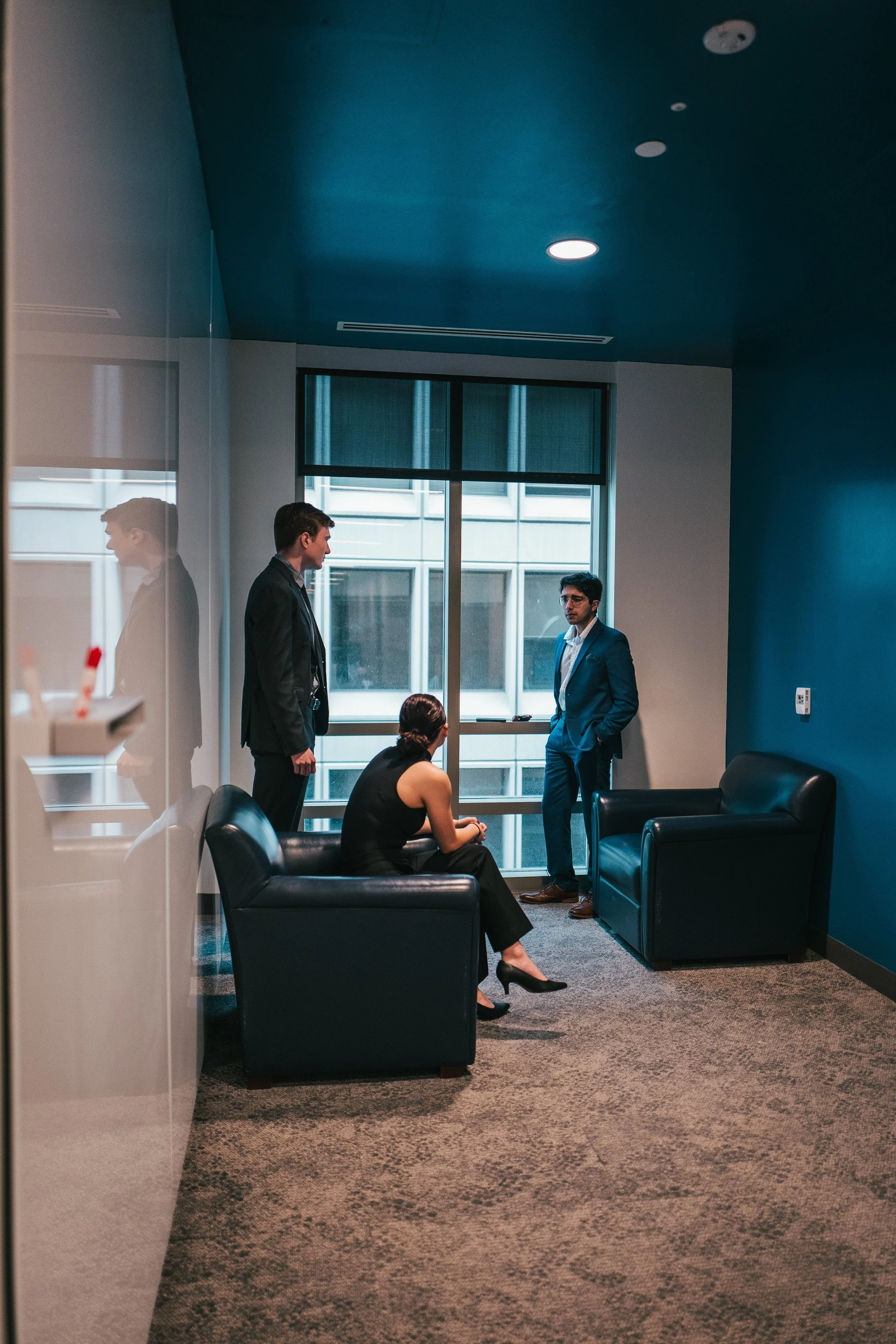
Jack Dickinson, American University (Spring 2024)
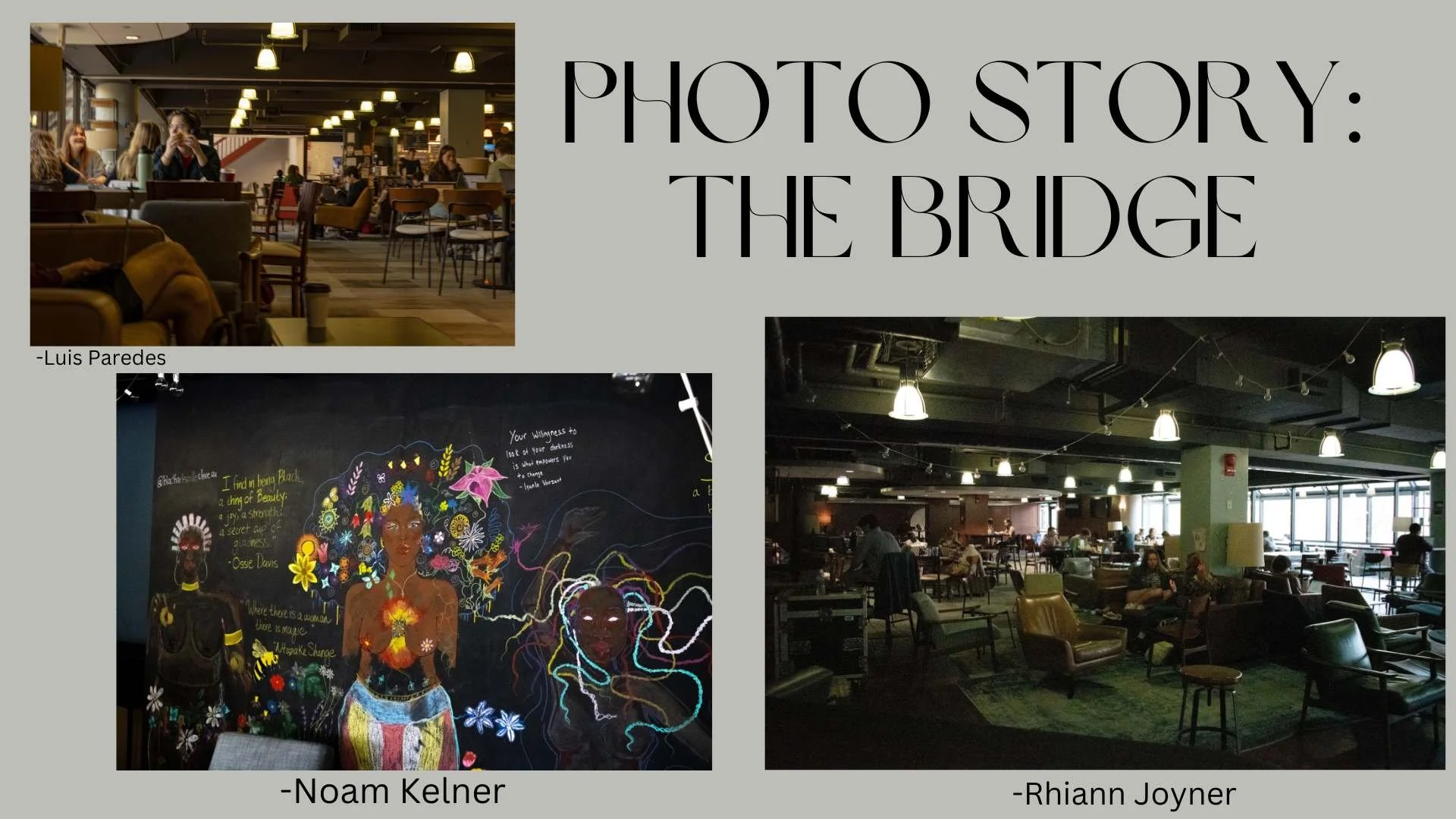
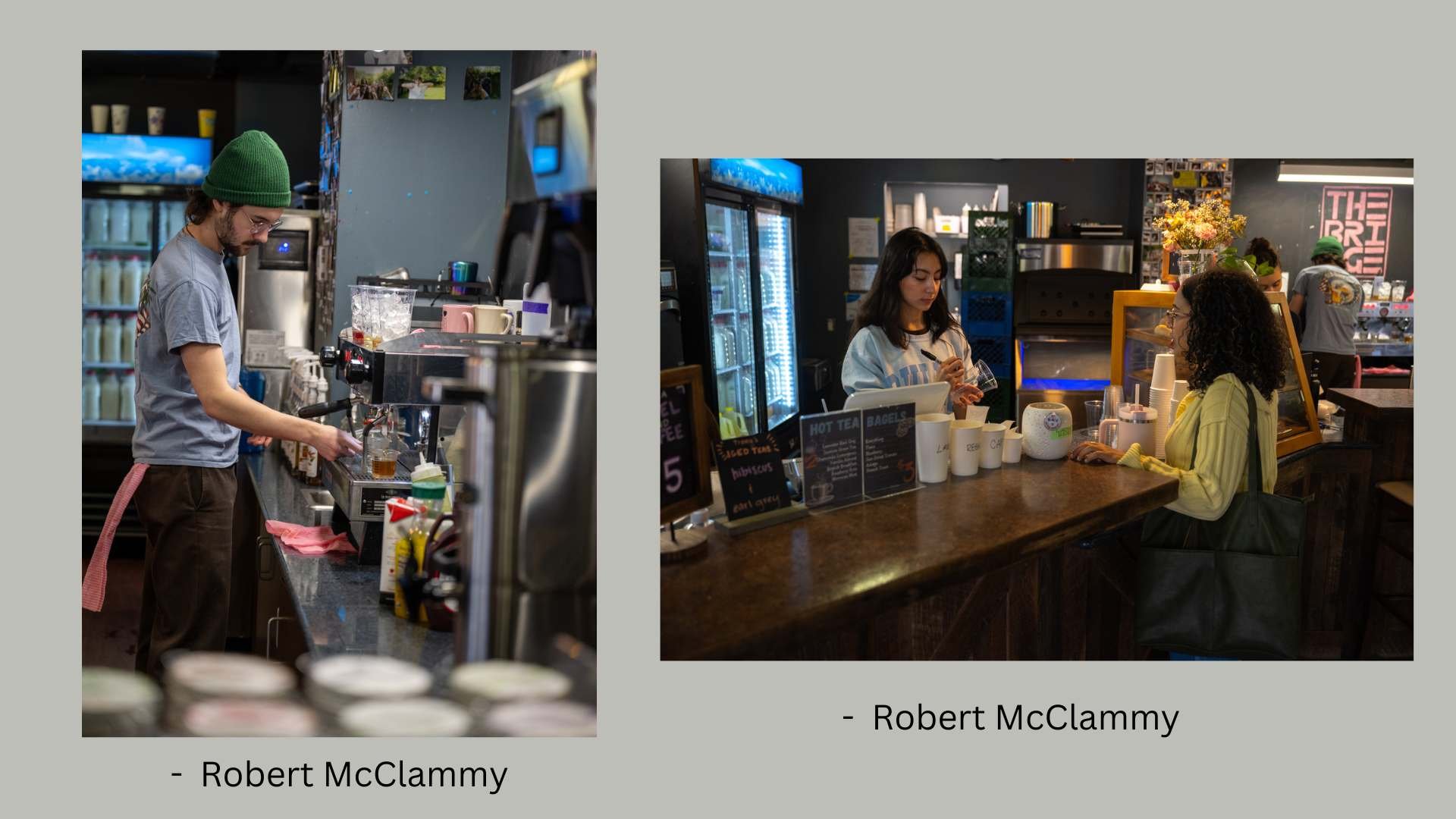
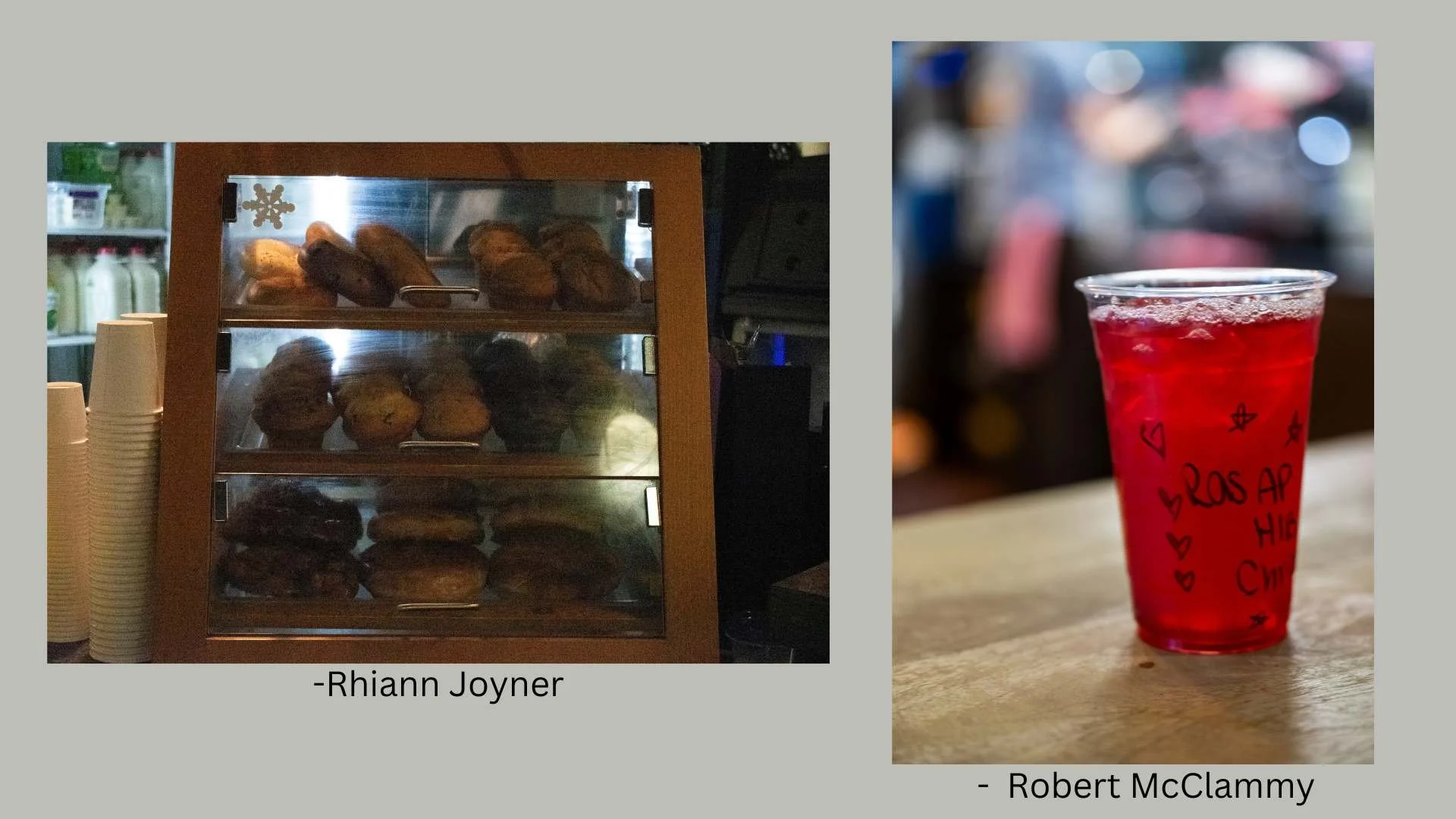
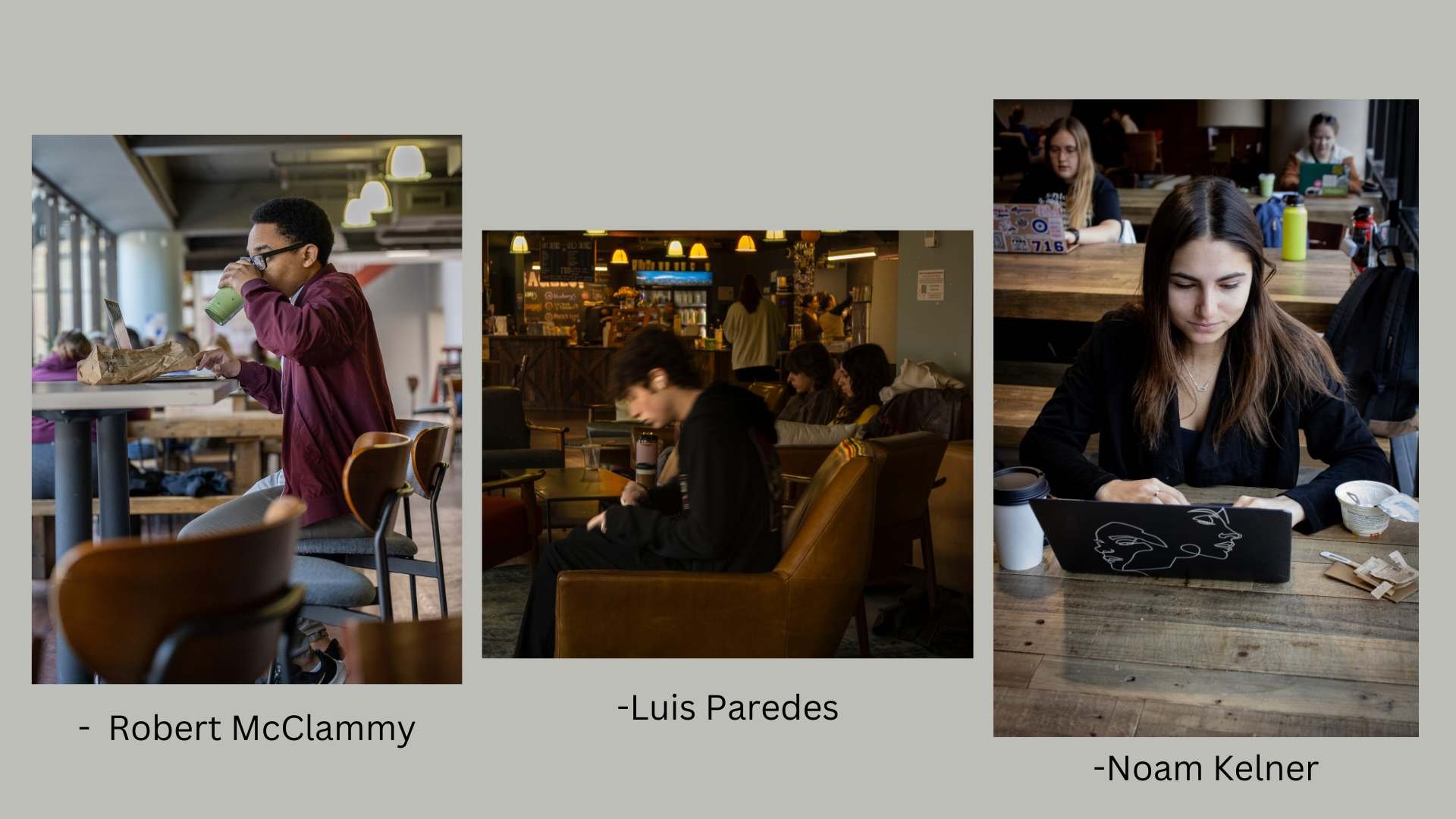
Group Photo Story Exercise
Your goal for this exercise is to take as many possible photos as you can of one scenario for 1 hr to tell the story of that scene. With your group make a shot list of what you hope to get, then go out and each try to take all of those ideas. Work together to problem solve everything from technical to compositional. Use the variety of knowledge in your group.
Guideline:
Take a lot of photos that play the challenges listed below.
Establishing: Play with the idea of "poor exposure." That is, most of the image should be either very close to black (underexposed) or close to flat white due to over saturation (overexposed).
Mid: Cropping to see clear subject while still including environmental cues
Close-up: Play with "motion-blur" either due to the movement of the subject or the movement of the camera.
Portrait: (remember this doesn't have to be a person) A portrait highlights a clear subject of the story for particular character statements, just paying particular attention to telling us about the subject with the framing, lighting, gesture, interaction with the environment, expression, etc.
Interactions: Between subjects, between subjects and action, close-up and midrange